Project Overview
The primary focus of Tech VR is to explore the integration of VR game based technology into corporate phishing training, to improve the training program's effectiveness and engagement compared to traditional methods, ultimately improving employees' ability to recognise and respond to phishing attacks.
Category
VR Design
Timeline
May 2023 - Aug 2023
Project Type
Individual Project
My Role
UX Design
UX Researcher
UI Design
The Problem
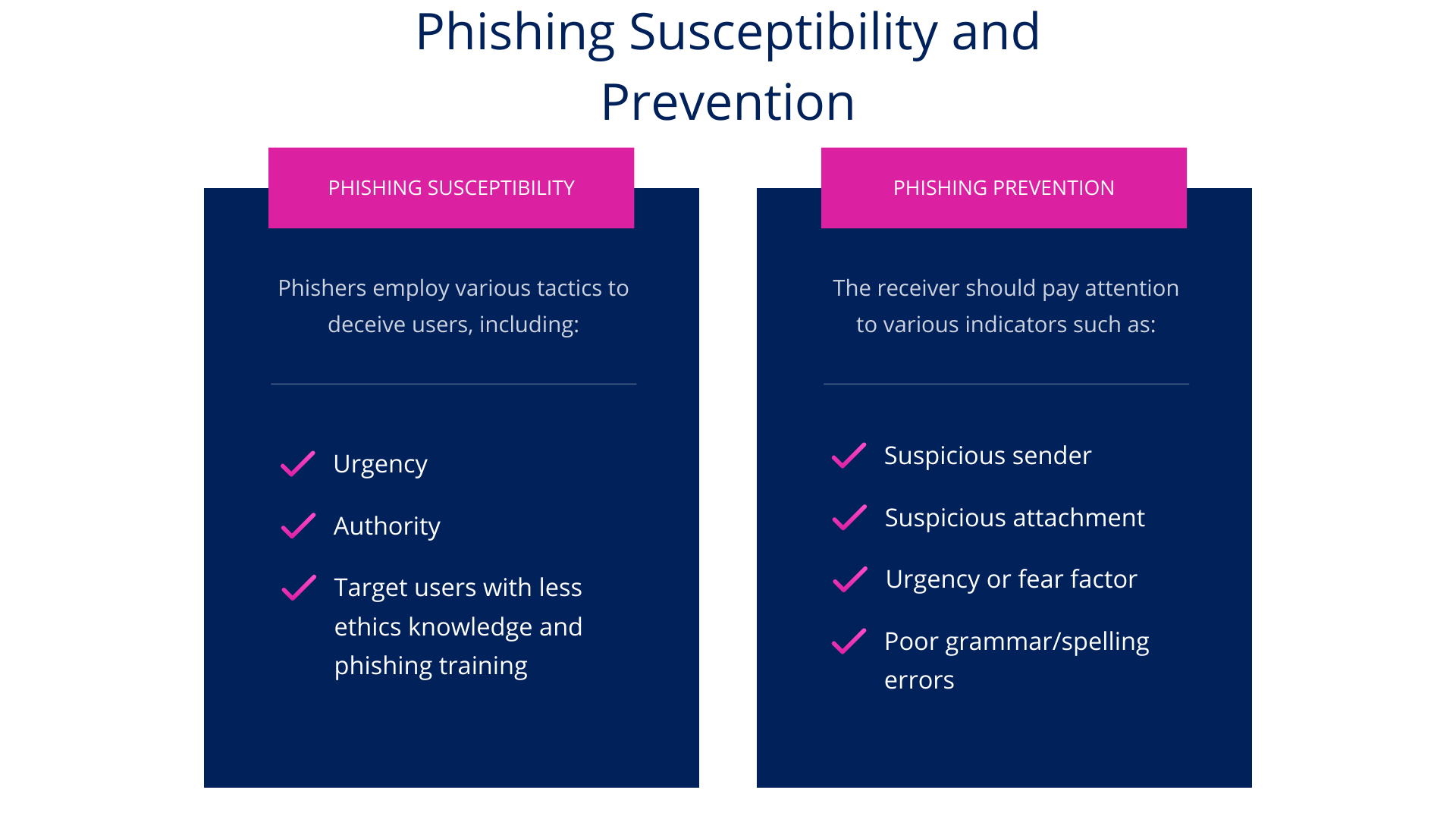
The current mandatory phishing training, occurring every 3-4 months, lacks employee engagement due to its reliance on periodic PowerPoint presentations or videos.
Solution
Proposing a Virtual Reality game-based phishing training solution.
View the prototype ->
Rationale
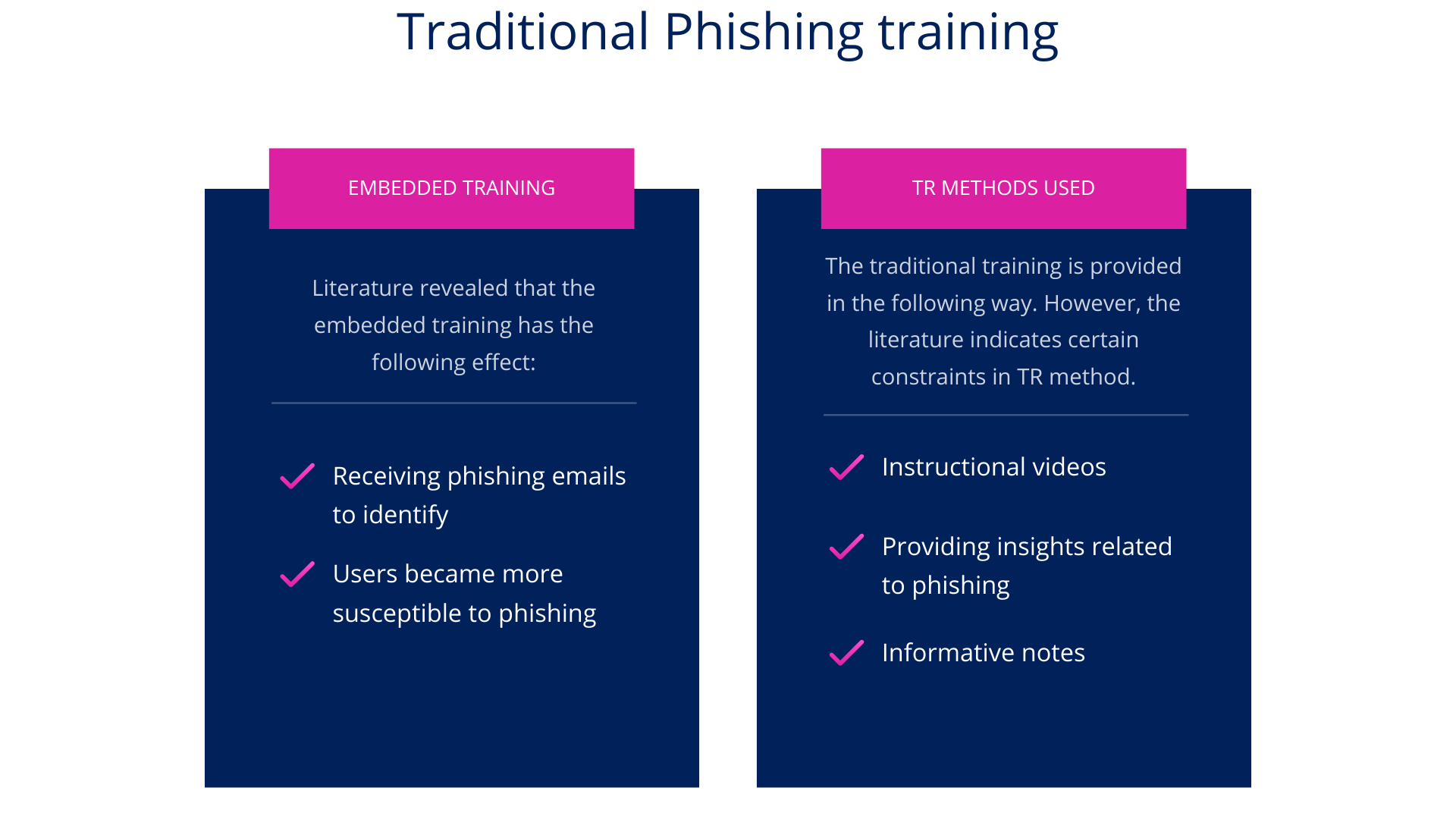
Traditional Training Shortcomings: Current methods fail to prepare employees for evolving phishing techniques.

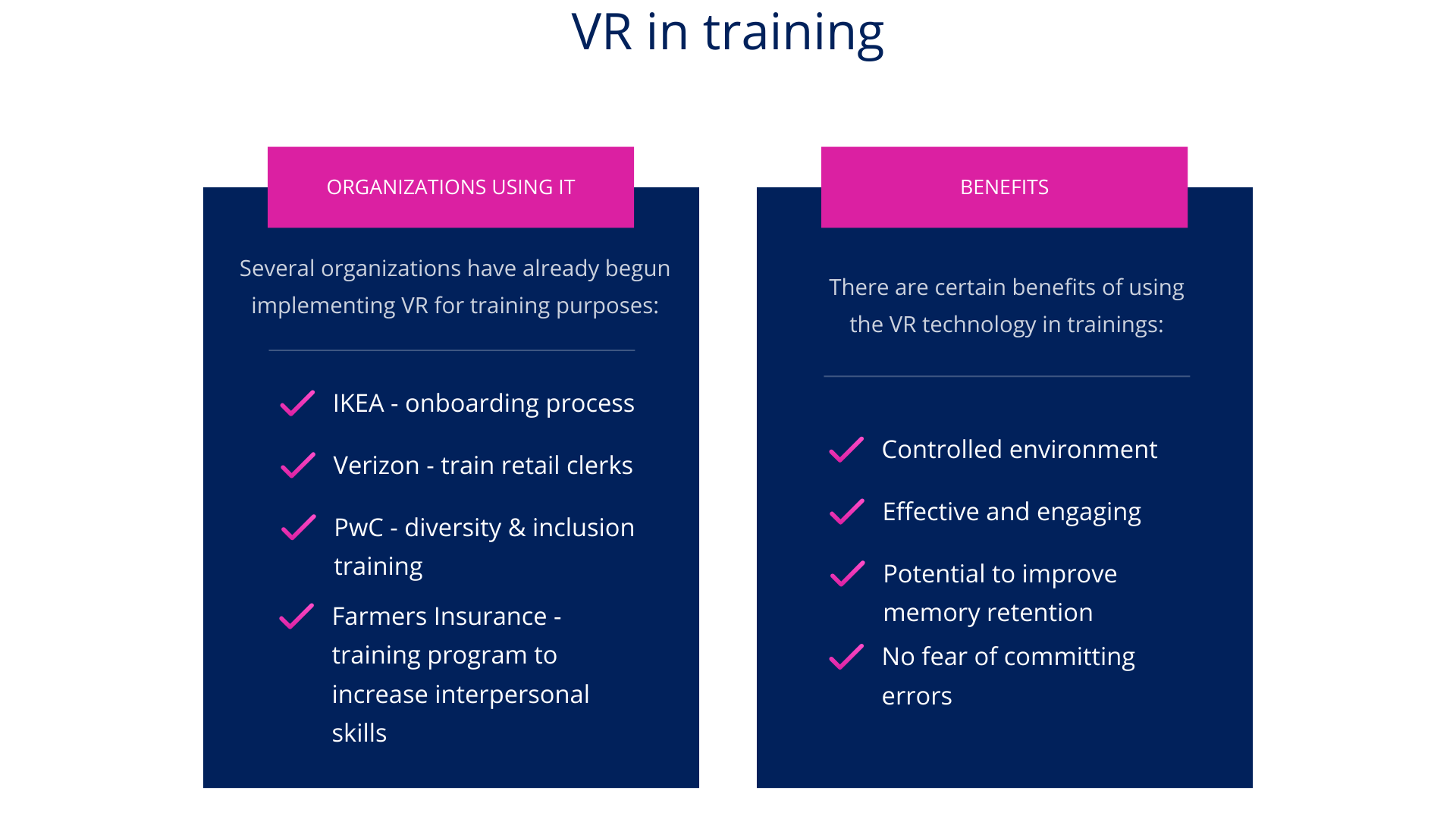
VR's Immersive Edge: Virtual Reality offers an immersive, true-to-life training environment that enhances engagement, knowledge retention, and skill development. VR enables employees to practice identifying and responding to phishing attacks in a secure, controlled setting.
Insights

Analysis
Participants : 20 participants, ranging in age from 20 to 40 years, were enlisted for the research study to assess the prototypes.
Pre-screening Questionnaire: A thorough questionnaire assessed participants' professional roles and existing awareness of phishing emails.

Tasks:
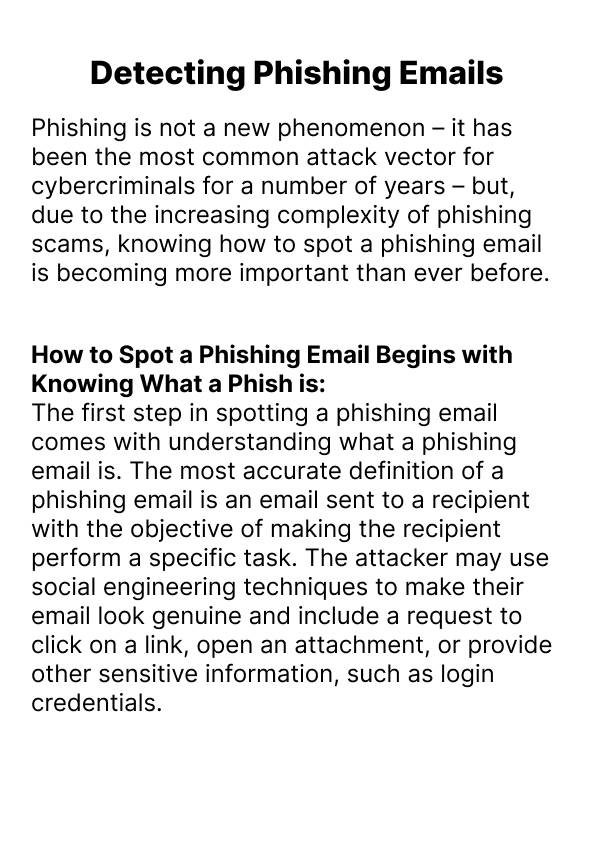
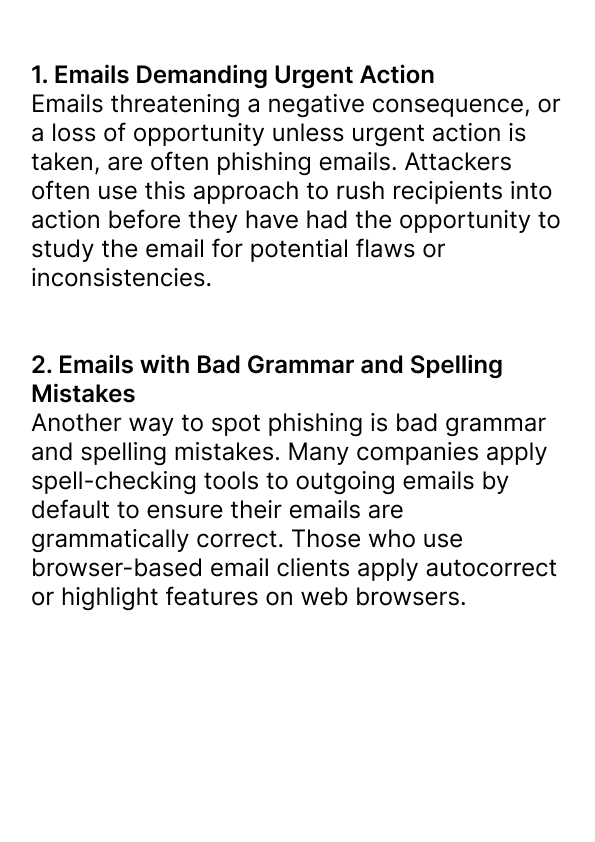
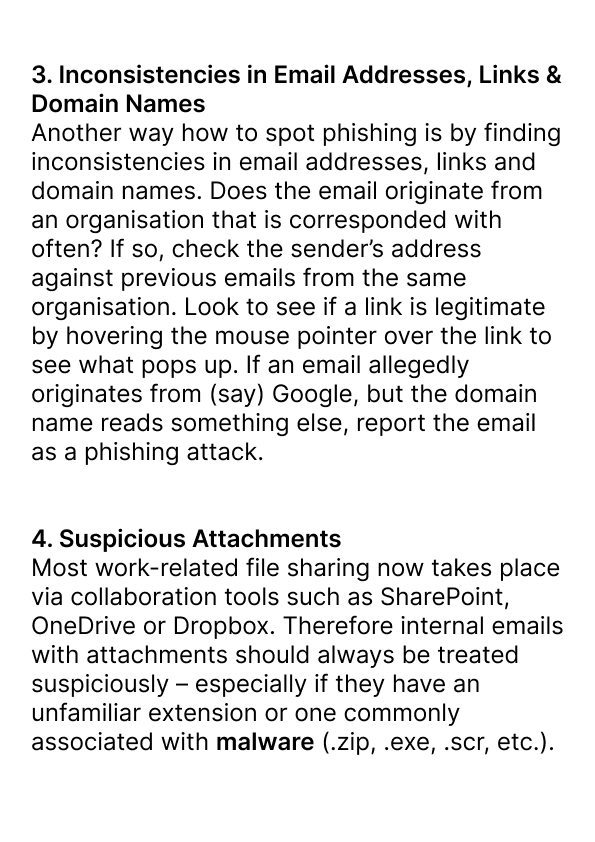
Traditional Phishing Training: Reading instructional notes.
                                                          Watching a video presentation.

VR Game-Based Training: Immersive game environment.  
                                                  Objective: Outperform a simulated phisher.  

Data Collection Tasks: Both groups completed the Intrinsic Motivation Inventory (IMI) questionnaire.

Post-Training Feedback: Participants shared insights and observations in open-ended questions.
Methodology
A/B Testing: Used to compare two training variants: Traditional approach vs. VR game-based training.
The study was a within-subject design where the participants tested both conditions.

Quantitative Analysis:

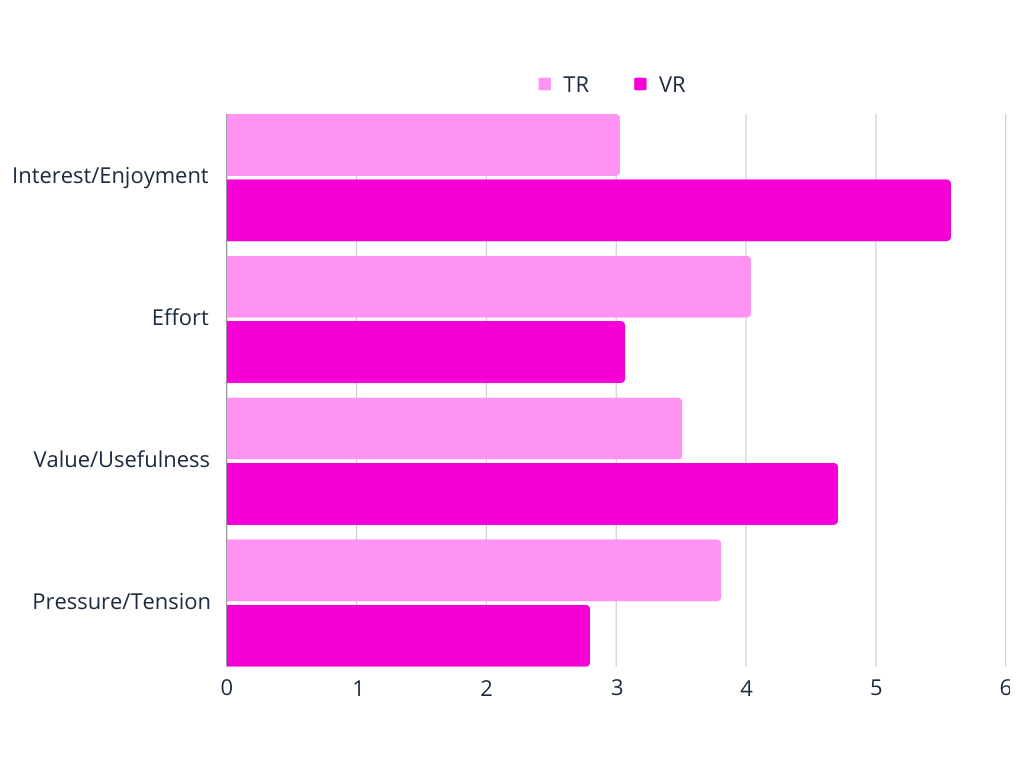
  • Concise version of the IMI Questionnaire was used, featuring a 7-point Likert scale (1 = "not true," 7 = "very true") to record item ratings.
  • Descriptive analysis in SPSS was performed which gave the means as shown in the bar chart.
  • Normality test was conducted later according to which Wilcoxon Signed Rank test and Dependent t-test were performed where the data depicted that the users prefer VR game-based training more than TR training across all scales.
Qualitative Analysis:
  • Semi- structured interviews: Predetermined questions with room for flexibility. The interviewer could ask follow-up questions to delve deeper into responses.
  • The questions asked were:
    “How was the Traditional training conducted in your workplace? How was your experience while doing it?”
    “How did you find the VR game-based training?”
    “What did you like and dislike about the traditional phishing training?”
    “What did you dislike about the VR game-based training?” “Any future implementations you would like in the VR game-based training?”
Conclusion
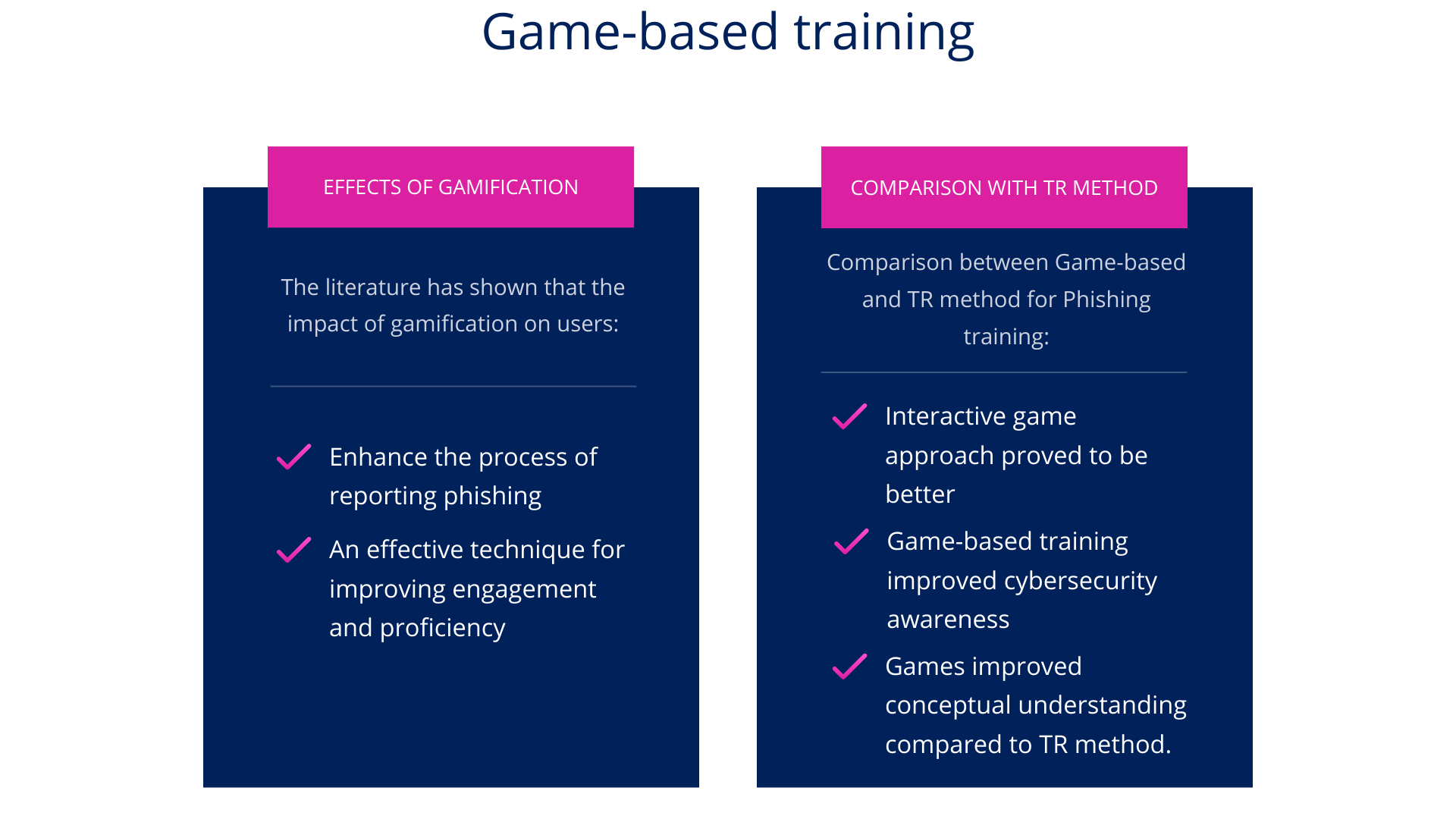
  • VR game-based training outperforms traditional methods.
  • Enhanced effectiveness and engagement.
  • VR game-based training led to heightened participant engagement and interest.
  • VR technology has the transformative potential to reshape corporate training.
Limitations
  • Prototype was not available in VR headset.
  • Current study only involves Phishing emails.
  • Current study only has four parameters to identify phishing emails.
  • The study was conducted online so certain internet issues caused problems.
Recommendations
  • Advanced Software Tools: Consider using advanced software tools like Unity with C# coding for more immersive experiences.
  • Head-Mounted Displays: Implement head-mounted display to improve data accuracy in prototype testing.
  • Structured Guidelines: Develop structured guidelines to improve email identification in future iterations.
  • Expanded Training Scope: Extend training to cover SMS and phone-based phishing for a comprehensive understanding of threats.
  • Gamification Integration: Explore the integration of gamification into VR-based approaches for enhanced user experiences in training sessions.

Thank You!